

A severe deficit in organ donation is gripping the Dominican Republic, as health authorities appeal to the public for a cultural shift to save hundreds of lives. Currently, 530 people are on the waiting list for a kidney, yet the country’s donation rate remains critically low.
Data presented by officials from the National Institute for the Coordination of Transplants (Incort) revealed a stark reality: so far in 2025, only 49 donations have been secured, a fraction of the 200 needed to be considered acceptable. These 49 donations (10 from deceased donors and 39 from living individuals) have nonetheless made a significant impact, benefiting 345 people. A single deceased donor can donate up to eight organs, including two lungs, two kidneys, a heart, and a liver, in addition to considerable tissues.
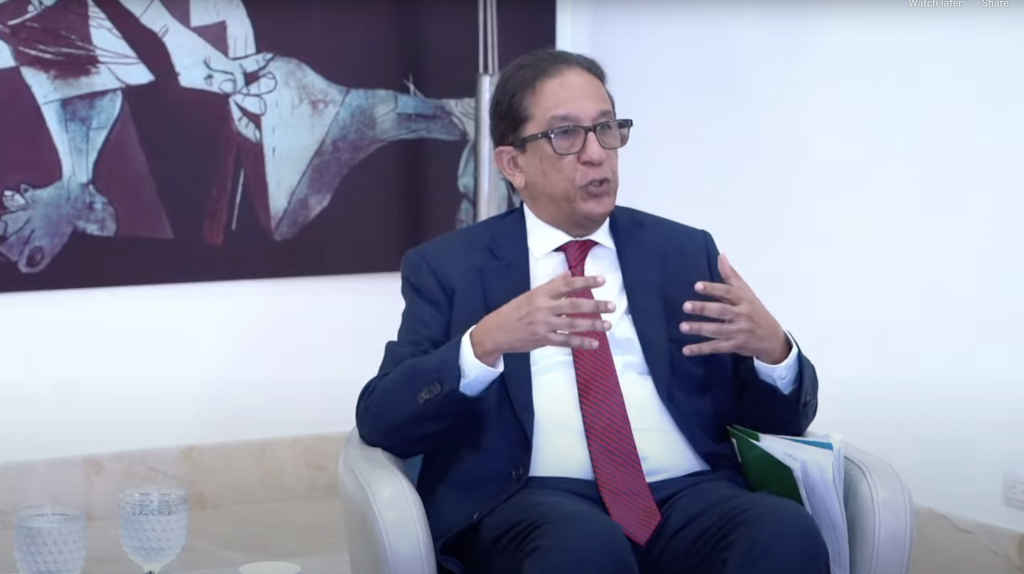
The principal obstacle to increasing cadaveric donations is family resistance, according to the Incort leadership. director José Juan Castillo Almonte emphasized this point during a media luncheon hosted by Corripio media group that includes Hoy, El Dia and Listin Diario newspapers.
“We need the population to be more accepting of organ donation,” Castillo stated. He reported that 70% of non-donations from deceased individuals are due to the family’s refusal to authorize the extraction, even if the person was registered as a donor.
Other hurdles include logistical and administrative issues, such as family demands for rapid return of the body, lack of information, and cultural beliefs that organ removal will deform the corpse. Authorization efforts are made when a patient is declared brain-dead (no cerebral activity), requiring Incort transplant coordinators to engage in persuasive, but not always successful, efforts.
Since 2006, the country has conducted 5,865 organ and tissue transplants. The vast majority have been corneas (4,271) and kidneys (1,679), with smaller numbers for bone marrow (87), liver (55), hearts (3), and pancreas (3).
Incort representatives, including Dr. Jiomar Figueroa, a liver and kidney transplant surgeon, and Dr. Luis Manuel Pérez Méndez, coordinator of liver transplant at Incort, categorically dismissed the idea of organ trafficking as a myth driven by misinformation.
Dr. Castillo stressed that the certification of brain death is performed by a separate medical team, not the transplant specialists. Furthermore, transplants are restricted to highly specialized, fourth-level medical centers (Hospital General Plaza de la Salud, Cecanot, and Hospital Metropolitano de Santiago are the three habilitated for deceased donation), involving a complex procedure with 14 to 20 people.
Dr. Pérez Méndez added that the sophisticated preservation and surgical requirements for organs like the liver make illicit operations virtually impossible. However, the officials complained that media coverage of past high-profile cases, such as the Carla Massiel case, has contributed to expanding these myths, negatively impacting donation rates.
While the need for education is paramount, Dr. Figueroa highlighted the critical need for financial resources. Currently, the renal transplant is the only procedure covered by Social Security, which funds 80% of costs up to a cap.
Liver transplants, which can cost nearly RD$2 million (approximately US$34,000), are prohibitively expensive for most families. “Imagine what it means for a Dominican family to have to find one and a half or two million pesos for a transplant—that is unattainable,” Dr. Figueroa lamented, noting that the cost only covers the surgery and not the essential post-operative care.
Incort is actively working on new protocols to submit to health regulators (Sisalril) to expand social security coverage to other transplant procedures, as well as preparing a medical team for much-needed lung transplants.
Read more in Spanish:
Hoy
El Dia
6 November 2025