

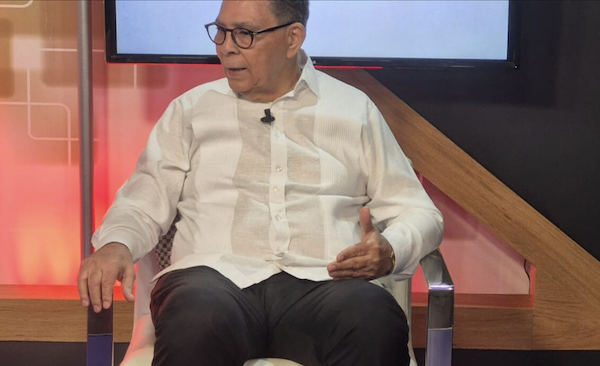
While the National Drug Control Agency (DNCD) touts record-breaking cocaine seizures, the reality on the ground tells a different story: a booming local market where drugs are cheaper, more accessible, and overwhelming rehabilitation centers, N Digital reports in its coverage of a recent interview with the director of a leading rehab center.
Julio Manuel Díaz, Director of Hogares Crea Dominicano, issued a stark warning regarding the “extraordinary overflow” of narcotics within the country. According to Díaz, the proliferation of neighborhood drug dens (puntos), the use of residential delivery services, and the rise of the “dark web” have created a distribution network that current authorities are struggling to contain.
Díaz highlighted a shifting landscape in drug distribution, noting that tech-savvy youth are increasingly utilizing the dark web to move substances like fentanyl.
“The DNCD itself cannot reach many of these dark websites because it is a growing medium with protection that makes it very dangerous and difficult to access,” Díaz stated during an interview on the program D’Agenda.
This digital shift is mirrored by a simplified physical market. The director noted that the use of “deliveries,” couriers who bring substances directly to a buyer’s door, has streamlined the retail process. “You ask for what you want, and they bring you what you requested,” he said.
In a troubling economic indicator, Díaz pointed out that despite the government’s frequent reports of large-scale interceptions at sea and in ports, the street price of drugs remains low.
“Through those struggling with addiction, we track variables like price,” Díaz explained. “In a market with scarcity, prices should rise. Instead, prices are low and quality is high. This indicates that a sufficient quantity of drugs is still slipping through to maintain an active addicted population.”
He attributed this partly to the “payment in kind” system, where international cartels using the Dominican Republic as a transit point pay local associates in product rather than cash, directly fueling the domestic micro-trafficking market.
Diaz says that the private rehab system is facing a critical shortage of available beds due to the “desperate” number of people seeking help now that the specialized crisis units at public healthcare system do not have capacity to serve the families of suffering from drug-induced consequences. The director linked the drug surge to rising crime rates and increased traffic accidents.
Díaz also criticized what he termed an “apologist” movement regarding marijuana, warning that high social tolerance and the false narrative that the drug is harmless are leading the country toward a path of legalization and specialized retail shops. He argued that marijuana use remains a primary driver of psychosis among the youth treated at his centers.
While acknowledging the DNCD’s cooperation with US authorities on high-level trafficking, Díaz insisted that the focus must shift toward the “micro-trafficking” paralyzing local communities. “If measures are not taken, the situation will only deteriorate further in the coming years,” he concluded.
Read more in Spanish:
N Digital
12 January 2026