

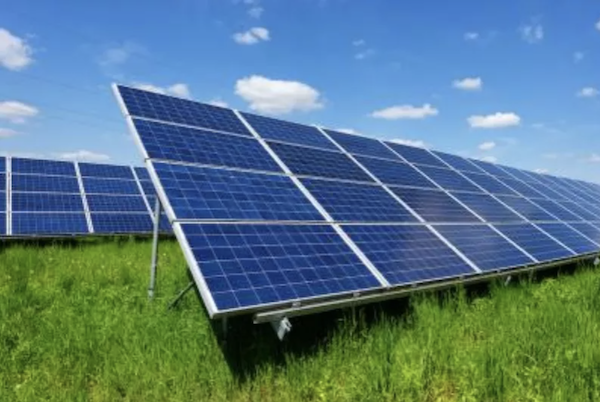
The Superintendency of Electricity (SIE) has approved a new Distributed Generation Regulation that significantly improves economic conditions for solar energy users, including the recognition of 100% of annual credits for surplus energy injected into the national grid.
The new framework, established under Resolution SIE-007-2026-REG, is set to take effect at the end of May 2026. According to the SIE, the regulation aims to modernize the energy sector as the country pushes toward a goal of having renewables account for 30% of the national energy matrix by 2030.
One of the most significant changes introduced by the regulation is the complete digitalization of the application process. Response times for interconnection requests, which previously took up to four months, will now be capped at a maximum of 45 days. In a move to ensure efficiency, the regulation mandates “automatic approval” if the distribution company fails to respond within the 45-day window.
The SIE also announced the elimination of the 15% penetration limit per circuit, a technical barrier that previously restricted the number of solar installations allowed in specific geographic areas.
Beyond the 100% credit for excess energy, the new rules mandate that power distributors must install bidirectional meters at no cost to the user. Consumers who choose to purchase their own meters are entitled to a reimbursement, provided the equipment is verified by the Dominican Institute for Quality (Indocal).
Furthermore, the regulation introduces a “network use fee” for users with a demand of less than 10 kW. This charge is intended to cover the maintenance and operation costs of the electrical grid, ensuring the long-term sustainability of the national system.
Implementation and retroactivity
The Superintendency clarified that the new rules will not be retroactive. Current users with existing interconnection contracts will maintain their current terms until those agreements expire.
To increase transparency, distribution companies are now required to develop digital platforms where users can track the status of their requests in real-time. The regulation also allows for a “no-injection” modality, where users can generate solar power for self-consumption without feeding it back into the grid, provided they notify the distributor in advance.
The update comes as a response to the rapid growth of distributed generation in the Dominican Republic, reflecting a shifting landscape where more homes and businesses are producing their own electricity.
Read more in Spanish:
El Dia
28 January 2026