

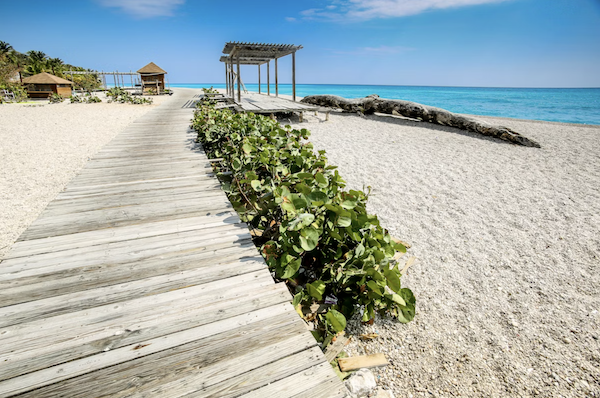
Lonely Planet published in February 2026 a list of 13 beaches that highlight the diverse coastal beauty of the Caribbean. The beaches range from bustling tourist hubs to remote, untouched sanctuaries.
Lonely Planet emphasizes that the Caribbean offers much more than just a place to sunbathe; it is a destination for world-class reef diving, expert-level surfing, and tranquil escapes into nature. The list showcases how different islands cater to specific travel desires, whether it’s the convenience of a resort-lined peninsula or the seclusion of a beach reachable only by boat or rugged trail.
The article also underscores the unique geographic features that set these shorelines apart, such as the dramatic volcanic backdrops of St. Lucia or the freshwater rivers that merge with the sea in the Dominican Republic. Beyond the physical beauty, the story provides practical planning tips, noting which beaches are public, where to find the best local food shacks, and the importance of respecting protected ecosystems like those housing endangered sea turtles. By curating these specific locations, the guide encourages travelers to explore beyond the traditional “resort bubble” to find more authentic and adventurous island experiences.
The Caribbean beaches featured on this list include:
• Playa Varadero, Cuba
• Anse Chastanet Beach, St. Lucia
• Frenchman’s Cove, Jamaica
• Bottom Bay, Barbados
• Playa Tortuga (Turtle Beach), Culebrita, Puerto Rico
• Trunk Bay, St. John, US Virgin Islands
Dominican Republic
• Playa Los Patos, Dominican Republic
• Bahía de las Águilas, Dominican Republic
• Cayo Levantado, Dominican Republic
• Playa Bávaro, Dominican Republic
• Playa San Rafael, Dominican Republic
• Playa Encuentro, Dominican Republic
• Kite Beach, Dominican Republic
In its breakdown of each beach on the DR beaches Lonely Planet writes:
Southwest
The southwest of the DR gets three mentions for three beaches – Los Patos, Bahia de las Aguilas and Playa San Rafael.
Los Patos, Barahona is included as a top destination for experienced surfers. Situated on the rugged southern coast of the Dominican Republic, it is famous for its powerful and consistent swells that offer long, fast rides along the shore. However, the beach is more than just a surf break; it is also celebrated for its unique natural setting where the Los Patos River—one of the shortest rivers in the world—meets the ocean. This creates a refreshing natural swimming pool right at the edge of the beach, allowing visitors to rinse off in cool freshwater after navigating the salty, fast-breaking waves of the Caribbean Sea.
Nearby is Bahía de las Águilas, Pedernales, also in the Southwest. Described as a remote paradise within the Jaragua National Park, it is praised for its untouched, desert-like beauty and crystal-clear turquoise waters, offering a “hidden gem” experience far from the crowds.
Playa San Rafael: Similar to Los Patos, this Barahona beach is highlighted for the dramatic way the mountains meet the sea and the presence of a cool freshwater river that flows directly onto the beach, creating a unique “dual-bath” experience.
North Coast
Playa Encuentro (Cabarete, Puerto Plata): Recognized as the surfing mecca of the North Coast, it is praised for its consistent reef breaks and vibrant local surf culture, making it the top choice for those looking to catch waves near Cabarete.
Kite Beach (Cabarete, Puerto Plata: Specifically singled out for its wind conditions, it is described as a global hub for kitesurfing, where the combination of steady trade winds and a protective reef creates an ideal environment for high-energy water sports.
Cayo Levantado (Samana): Noted for its postcard-perfect scenery in Samaná Bay, this small island is recognized for its white sands and turquoise shallows, serving as a quintessential tropical escape often visited by those seeking a serene day trip.
And of course, there is Punta Cana, the hotel destination outside of Mexico with the most hotel rooms in the Caribbean.
Playa Bávaro is acknowledged as the crown jewel of Punta Cana. It is celebrated for its accessibility and world-class infrastructure, offering miles of soft sand protected by offshore reefs that create calm, swimming-pool-like conditions.
Read more:
Lonely Planet
10 March 2026