

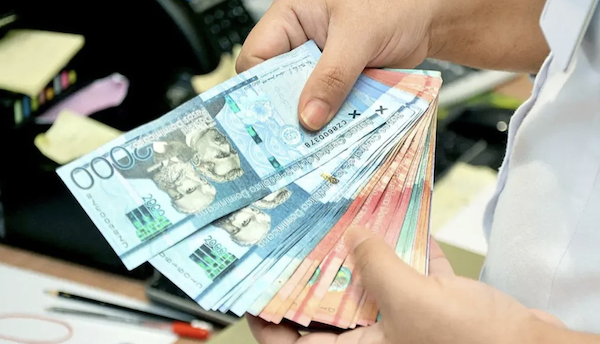
The surge in consumer loan arrears to 4.65% in January 2026 represents a significant departure from the relative stability seen throughout 2025. While the 2025 average for the entire financial system remained low, the consumer sector began showing signs of stress toward the end of the year. The delinquency numbers focus on personal loans and credit cards and do not include mortgages nor business loans.
The current 4.65% morosity rate for consumer loans is nearly double the average seen for the general credit portfolio in 2025. The annual average as of November 2025 was at 1.9%, according to the Superintendence of Banks.
Throughout 2025, the Superintendency of Banks (SB) and the Central Bank noted that while the general morosity index hovered around 1.9%, the consumer segment, specifically credit cards and personal loans, was consistently higher. The jump to 4.65% in January 2026 confirms that consumer debt is deteriorating much faster than commercial or mortgage loans.
The “Stressed Morosity” index, which includes restructured loans and write-offs, climbed from 7.73% in November 2025 to 8.2% by January 2026. This indicates that the “hidden” risk identified late last year is now surfacing as active defaults.
In 2025, credit card delinquency was already a concern, moving from 4.95% to 5.89% by year-end. The January 2026 data shows this trend has not yet found a ceiling, as the cost of living and interest rates continue to impact household liquidity.
Read more in Spanish:
El Nacional
11 March 2026