

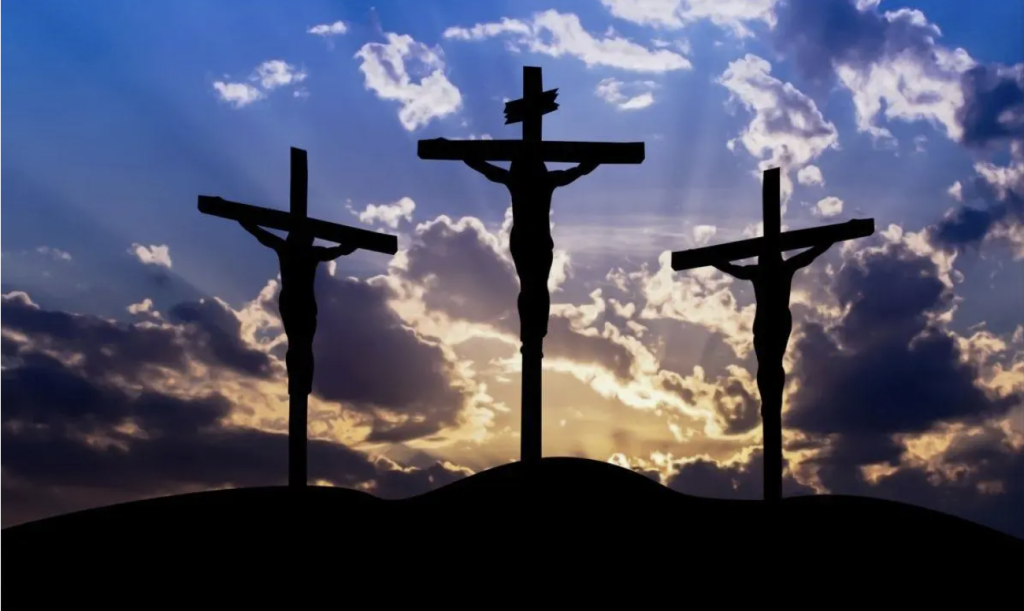
Easter Week, known as Semana Santa, is the most significant and transformative week of the year in the Dominican Republic. It is simultaneously a period of intense religious devotion and the country’s most massive annual vacation period. Schools and universities close for the weeklong spring holidays that run this year from Friday, 27 March through Sunday, 5 April 2026.
The country is already in Semana Santa mode. As of last week, major stores are offering sales of beach, camping and items popularly purchased for family and friends popular get-togethers.
Starting on Thursday, 26 March, expect the massive internal migration to start.
Residents of Santo Domingo and Santiago travel in droves to the provinces. Coastal towns like Las Terrenas in Samana and mountain retreats like Jarabacoa see their populations triple overnight.
Religious traditions
For the devout and those who enjoy the capital city at its best, with reduced traffic, there is the Colonial City. The collection of Roman Catholic churches in the historic center of Santo Domingo becomes the spiritual heart of the week.
On Thursday, 2 April 2026, the seven churches in the Colonial City will remain open until late at night as devotees visit to view the specially-prepared altars that represent the journey of Jesus.
On Good Friday, 3 April, the “Procession of the Holy Burial” (Procesión del Santo Entierro) winds through the cobblestone streets, featuring life-sized religious icons and penitents.
Culinary staple: Habichuelas con Dulce
The most defining cultural element of the week is Habichuelas con Dulce (Sweet Cream of Beans). This unique Dominican dessert, made with red beans, coconut milk, evaporated milk, sweet potatoes, raisins, and spices, is prepared in massive quantities and shared with neighbors and family. It is a social ritual as much as a culinary one.
Safety and restrictions
Because of the massive movement of people, the government implements strict safety protocols through the COE (Center for Emergency Operations):
• Alcohol ban: Sale of alcoholic beverages is traditionally restricted during certain hours of Good Friday.
• Beach closures: To prevent accidents, dozens of dangerous beaches and swimming holes are closed to the public.
• Heavy vehicle ban: Large trucks are prohibited from the highways to reduce traffic fatalities.
On Sunday, 5 April, the authorities will restrict the speed of those on the main highways. It is best to return to the cities early in the morning or submit to the constraints of the “carreteo” or security-led commute back to the cities.
The “vibe” shift
For the Easter Week, the usual chaotic traffic disappears, and the city takes a break. As more citizens have realized the benefits of staying in Santo Domingo and Santiago, traffic is now reduced, yet the cities are no longer the ghost towns they had been in past years.
In resort, beach and mountain areas, the atmosphere is high-energy. Hotels reach 100% occupancy, and popular beaches like Boca Chica or Juan Dolio become hubs of music, dancing, and socializing. Mountain areas such as Jarabacoa are a buzz of friends and families gathering for the Dominican spring break.
Synchronicity and folklore
In certain rural areas, particularly in the south (such as Cabral), the week concludes with the Gaga celebrations, the vibrant display of Afro-Dominican syncretism that combines music, dance, and spiritual rituals, often coinciding with the “Burning of Judas” on Easter Sunday.
Read more:
Ministerio de Interior y Policia
Dominican Cooking
El Caribe
CDN
25 March 2026