

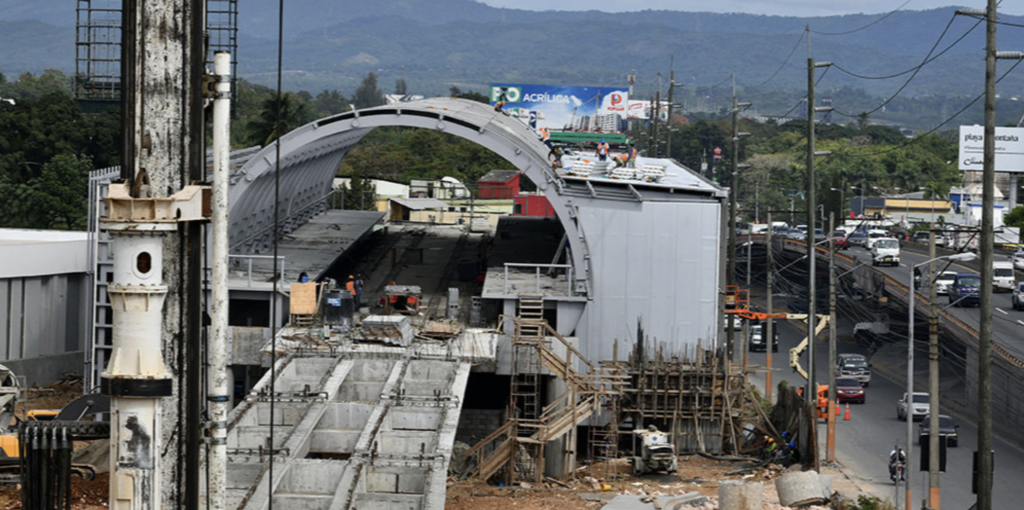
Economic writer Hector Linares says that the Dominican Republic would have grown more than the low 2.4% in 2023 if capital spending by the Abinader administration had been greater. In an analysis for El Caribe, he points out that the growth of the Gross Domestic Product (GDP) was almost exclusively the responsibility of monetary policy, which during the second half of 2023 became expansive, providing incentives to boost the economy through increased credit. As a result of this flexible posture, some RD$184 billion were channeled at interest rates not higher than 9% annual interest through the different financial intermediaries that granted loans to the productive sectors and households (consumption).
He explains that the Central Bank had to tread a fine line in its monetary policy to at the same time control inflation. Until the first half of 2023, the Central Bank restrained lending until inflation dropped within 3% and 5% starting in May 2023. Inflation would close for 2023 at 3.57%, the lowest level in the last five years.
Linares points out that despite the government allocating RD$200 billion for capital investments, until 29 December 2023 the actual executions were but RD$171 billion, with the government investing in public works about 14.5% less than budgeted.
2023 reports for capital spending through November 2023 indicate Greater Santo Domingo received 36% of the investment, followed by Santiago with 15%, Duarte (San Francisco de Macoris) with 8.5%, Monte Plata with 4.2% and La Altagracia with 3%.
Read more in Spanish:
El Caribe
Listin Diario
DR1 News
31 January 2024