

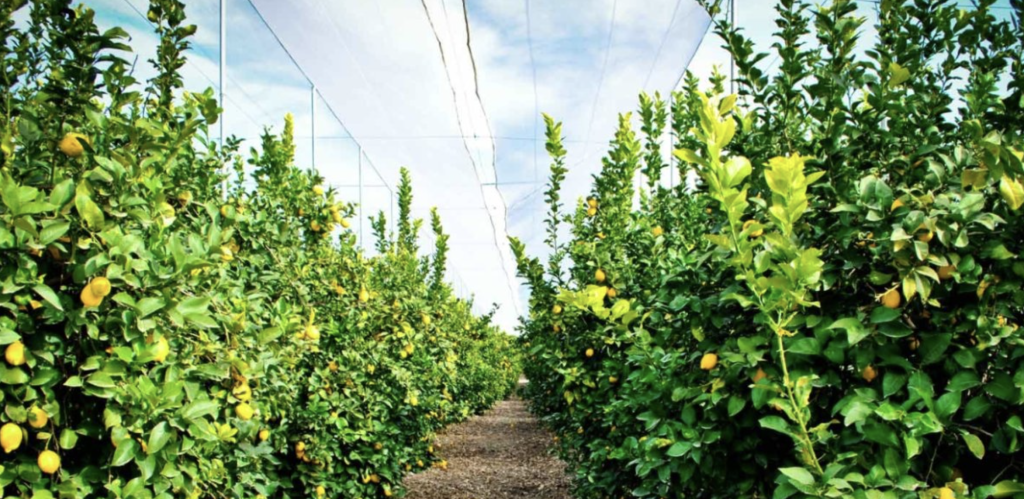
The Dominican Republic’s Lime Cluster (Clúster Limón) has issued an urgent public warning, demanding that the Ministry of Agriculture halt massive lime imports, particularly from countries confirmed to harbor serious agricultural pests and diseases that do not currently exist in the nation, as reported in Hoy.
National lime producers fear that a surge in foreign fruit could jeopardize the hard-won recovery of the Dominican citrus industry and devastate other staple crops like plantains and bananas.
The cluster is primarily concerned about the potential introduction of several specific threats, including the Mediterranean fruit fly, thrips of the marvels, leprosis, black spot, and, most critically, Fusarium Tropical Race 4 (TR4). This last pathogen, a soil-borne fungus, is described as a mortal threat to the country’s extensive plantain and banana plantations.
The group specifically alerted authorities to imports from nations such as Colombia, Peru, Brazil, and Chile, which could introduce diseases that pose an existential risk to Dominican citriculture, which is still recovering from the effects of Huanglongbing (HLB).
Félix Adalberto Bautista, president of the National Lime Cluster, formally communicated the industry’s concerns to Lemy José Gutiérrez María, director of the Department of Agricultural Product Import Permits at the Ministry of Agriculture.
Bautista stressed that the authorities must take immediate measures to contain the massive entry of imported limes from Peru and Colombia, countries where known pests and diseases exist that are currently absent from the Dominican Republic.
We demand that the Ministry of Agriculture protect our plant health and our national production of lime and other susceptible crops, such as plantain and banana, from the risks associated with these massive fruit imports, Bautista stated.
The Lime Cluster emphasizes that it represents 10,000 producer families whose livelihoods depend on the fruit, which they work hard to export to demanding international markets.
Bautista affirmed that national lime production is benefiting from significant quality and technical advances, driven by the Cluster’s efforts to promote cultivation technification, genetic improvement, and the strengthening of exports.
He noted that this year’s lime production is projected to be around 50,000 tons, with hundreds of containers successfully exported to Europe, the United States, and other international markets.
Bautista insisted that all the effort and investment by national producers is at risk of being “thrown overboard” by the massive influx of limes from countries afflicted by the foreign pests and diseases.
Read more in Spanish:
Hoy
2 December 2025