

The Dominican Republic is likely to become the fueling station for flights traveling to Cuba. The government of Cuba recently announced that its nine international airports would not have stocks of Jet A1 fuel to service airplanes as of 10 February 2026. The lack of fuel impacts around 400 scheduled weekly flights.
Airlines operating to and from Cuba were notified that they need to plan alternative measures, such as carrying additional fuel, conducting technical stopovers in third countries, or canceling flights.
The airports named include Havana (José Martí International), Varadero, Cienfuegos, Santa Clara, Camagüey, Cayo Coco (Jardines del Rey), Holguín, Santiago de Cuba and Manzanillo.
Among the operators referenced are American Airlines (73 weekly flights), WestJet (97), and Copa (29), which may need to reroute, add technical stops, or cancel selected services. The disruption covers commercial, charter, cargo, and executive aviation.
The Dominican Republic is now expected to become the main refueling hub for long-haul carriers who seek to maintain transatlantic connectivity.
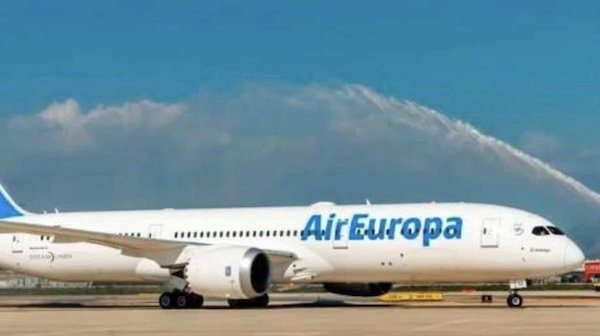
Spanish carrier Air Europa confirmed that its flights from Havana to Madrid will now require a technical stop at Las Américas International Airport in Santo Domingo. The airline informed passengers that flights scheduled through at least the end of the week will see time adjustments to accommodate the extra leg. Similarly, Iberia has begun offering flexible fare policies for travelers as it monitors the developing crisis.
The fuel depletion was officially communicated to pilots and airlines via a Notice to Air Missions (NOTAM), which warns that Jet A-1 fuel will be unavailable at nine of the island’s international airports—including Havana’s José Martí International, at least until 11 March 2026.
The logistical shift to the Dominican Republic comes as other major carriers take even more drastic measures. Air Canada announced a total suspension of its services to Cuba, stranding approximately 3,000 passengers whom the airline plans to retrieve via empty “ferry” flights. Other regional carriers, such as American Airlines and Delta, have reportedly managed to maintain schedules by “tankering,” carrying enough fuel from the United States for a round-trip journey without needing to refuel on the island.
The fuel crisis is the result of a tightened US oil blockade that has severed Cuba’s access to its primary petroleum sources in Venezuela and Mexico. Following an executive order signed in late January 2026, the Trump administration threatened heavy tariffs on any nation supplying oil to the island, leading to a near-total collapse of the country’s energy reserves.
While the Dominican Republic serves as a temporary relief valve for airlines, the wider impact on Cuba’s economy is severe. Beyond the aviation sector, the Cuban government has initiated emergency rationing, reducing hospital hours, suspending public transportation, and closing hotels with low occupancy to conserve what little energy remains.
Read more:
Diario Libre
Air Canada
Air Help
10 February 2026