

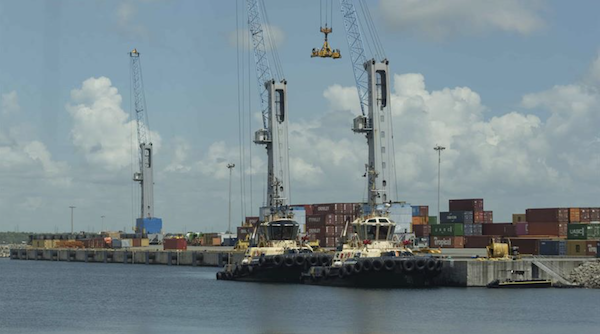
At the ten-month mark since US President Donald J. Trump set 10% tariffs on all imported goods from the Dominican Republic, something that cost local exporters some US$396 million as of last November, the Dominican authorities are gearing up for some serious talks with the US on tariffs and duties.
United States (7 March): President Abinader is scheduled to travel to Miami, Florida to participate in a presidential summit convened by US President Donald Trump. The meeting aims to address regional security and common international interests. The meeting could be the replacement of the Summit of the Americas that would have been held in December 2025 in Punta Cana but was postponed indefinitely.
According to sources at the Ministry of Industry and Commerce, so far there have been some 18 meetings, both in person as well as virtual, to discussed the issue ever since the tariffs went into effect last April. According to these sources, both countries have been following developments regarding the effects of the tariffs on the people of the United States, and current bi-lateral negotiations are underway, similar to those that took place with Guatemala and El Salvador.
New United States ambassador Leah Campos has reiterated her commitment to maintain “deep” and “close” commercial relations between the two countries. As Campos has done recently, in the past high-ranking US officials have publicly commended the Abinader administration for stepping up Dominican efforts against drug trafficking and its collaboration with recent United States’ efforts in the Caribbean.
Both Guatemala and El Salvador signed agreements last month that gave them 0% tariffs on all of the items mentioned in Executive Order 14257 signed by President Trump last April. However, any item not on the Executive Order is subject to the 10% tariff.
The requirements for the deal to work include:
No import licenses except for medical, or national security reasons
Allow “non-discriminatory” access of US agriculture products in local markets
Avoid any type of commercial barriers; and refrain from placing taxes on digital services to the detriment of US companies.
Read more:
Diario Libre
16 February 2026