

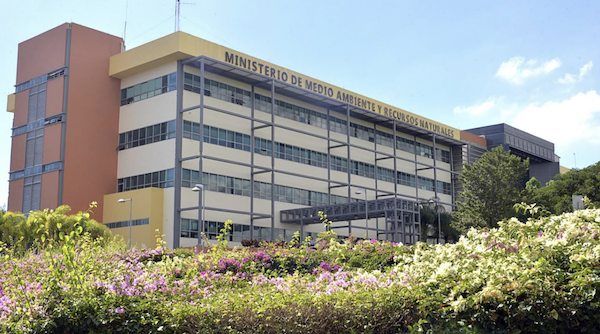
The Ministry of Environment of the Dominican Republic has officially transitioned toward a “smart ministry” model, according to its 2025-2026 performance report. A release from the Presidency, explains that under the leadership of Minister Paíno Henríquez, the Presidency reports that the agency has successfully merged aggressive conservation tactics with technological modernization to balance environmental protection with national economic development. Paino Henriquez has been minister since August 2024. Previously, he was a corporate lawyer.
Conservation and reforestation milestones
On the conservation front, the ministry achieved record-breaking figures by planting 20.2 million trees, covering approximately 365,000 tareas (628.86 square meters) across the country. These efforts were bolstered by a 67% reduction in land affected by forest fires, a success attributed to the deployment of early detection towers and advanced training for the Forest Firefighter Corps. Additionally, the Ministry placed 15 priority basins under integrated management and declared the Haina River an “environmental emergency” to fast-track its restoration.
Digital modernization and “smart” permitting
The shift toward a “smart” model is anchored in digital-first initiatives designed to slash bureaucracy. By integrating AI and robotics, the Ministry reduced response times for “Minimum Impact” (Category D) certificates by 80%. The launch of the Sigeo RD platform provided 19 layers of georeferenced data to assist in public and private planning. Furthermore, expanding online services from five to 24 enabled the processing of over 6,500 environmental authorizations, which are linked to an estimated US$21 billion in projected investments.
Waste management and infrastructure
A major infrastructure milestone highlighted by the Presidency is the US$110 million technical closure and transformation of the Duquesa landfill, funded by international partners including the IDB, JICA, and AECID. This project aims to rehabilitate 180,000 square meters of land. Simultaneously, the Dominican Republic became the third country in Latin America to implement the Extended Producer Responsibility (REP) model, specifically targeting the management and recycling of electronics and tires.
Enforcement and global leadership
To ensure these policies have teeth, the ministry doubled its operational staff and implemented new traceability protocols, resulting in a tenfold increase in environmental fines and sanctions. This internal strengthening extended to frontline workers, as park rangers received specialized technical certification, modern equipment, and health insurance for the first time. Internationally, these efforts were validated by a US$4.18 million award from the World Bank’s Forest Carbon Partnership Facility for reducing 840,000 tons of CO2 emissions. The country further solidified its climate leadership by assuming the regional vice presidency for the Third UN Ocean Conference.
Read more in Spanish:
Presidency
23 February 2026