

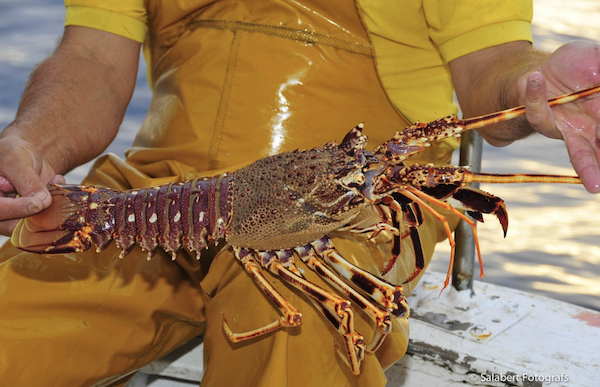
Starting 1 March 2026, the annual legally-binding ban on the capture, processing, and commercialization of lobster and crab species officially takes effect, a critical conservation measure designed to safeguard the future of the region’s marine biodiversity.
The prohibition, which runs through 30 June 2026, is a coordinated regional effort to provide a window of safety for several key crustacean species during their peak reproductive season. In the Dominican Republic, the Dominican Council of Fisheries and Aquaculture (Codopesca) oversees the enforcement of this ban, aligning with international agreements like the OSP-02-09 regulation established by the Organization for Central American Fisheries and Aquaculture Sector (OSPESCA).
The effectiveness of the ban depends on consumer willingness to not order lobster and crab dishes in restaurants nor purchase these from other suppliers. Likewise, consumers are motivated to criticize and denounce to Codopesca any establishment that seeks to sell them the seafood.
A shield for breeding species
The primary objective of the four-month hiatus is biological: to allow the species enough time to mate and spawn without the pressure of commercial extraction. The ban specifically protects these:
Lobsters
• Panulirus argus (Caribbean Spiny Lobster – Langosta espinosa)
• Panulirus guttatus (Spotted Spiny Lobster – Langosta pinta)
• Parribacus antarcticus (Sculptured Slipper Lobster – Mama langosta)
• Scyllarides sp. (Slipper Lobsters – Langosta de piedra)
Crabs
Cardisoma guanhumi (Blue Land Crab – Paloma de Cueva)
Ucides cordatus (Mangrove Crab – Zumba, Pelu)
Gecarcinus ruricola (Purple Land Crab – Cangrejo Moro)
Callinectes sapidus (Blue Crab – Jaiba Sirica)
“This period is vital because it coincides with the highest reproductive activity of these creatures,” explains recent environmental guidance from the region. By protecting “berried” females, those carrying thousands of orange eggs beneath their tails, authorities ensure that the next generation of larvae can hatch and repopulate the coral reefs.
Economic stakes and enforcement
The ban is not merely a suggestion; it is a strict legal mandate. Under Dominican law, any person or establishment found in possession of these species during the closed season faces severe penalties, including heavy fines and potential imprisonment.
For the local economy, the ban presents a temporary challenge. Restaurants and hotels across the Caribbean are required to exhaust their existing inventories within a brief grace period at the start of March, after which lobster and certain crab dishes must vanish from the menu. Fishers are also required to remove all traps and nets from the water to prevent “ghost fishing,” where abandoned gear continues to kill marine life.
While the closure impacts the short-term income of coastal communities, marine biologists argue it is the only way to prevent a total collapse of the fishery. Overfishing and the capture of undersized juveniles have historically threatened these stocks, making the March-to-June window a non-negotiable part of the Caribbean’s ecological calendar.
Regional cooperation
The 2026 ban is part of a larger, harmonized effort across the “Wider Caribbean.” Countries including Belize, Nicaragua, and Honduras follow similar schedules to ensure that lobster populations, which often migrate across maritime borders, are protected throughout their entire range.
The message from authorities to consumers and fishers alike is clear: respect the veda (ban). Protecting the species today is the only way to ensure the Caribbean can continue to provide for the generations of tomorrow.
Read more:
Codepesca
26 February 2026