

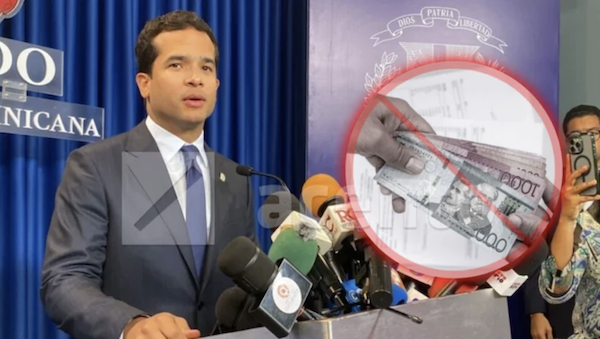
National District Senator Omar Fernández, representing the opposition Fuerza del Pueblo party, has officially reintroduced a legislative proposal to eliminate the mandatory Income Tax (ISR) advance payment, locally known as el anticipo, for micro, small, and medium-sized enterprises (MSMEs).
The bill seeks to overhaul a controversial tax mechanism that requires businesses to pay taxes based on projected future earnings rather than actual realized profits. Fernández argues that this system “permanently decapitalizes” emerging businesses, forcing them to divert critical liquidity away from operations and investment to meet government mandates.
According to the senator, the burden of pre-paid taxes creates a precarious financial environment for the backbone of the Dominican economy. Data cited in the proposal highlights the following:
• Market dominance: Over 85% of registered businesses in the Dominican Republic are classified as micro or small enterprises.
• Liquidity crisis: The current scheme forces companies to advance funds they may not yet have earned, risking insolvency.
• Fiscal impact: Fernández asserts that exempting MSMEs from these advances would not significantly dent state revenue but would instead stimulate job creation and economic dynamism.
The political hurdle
Despite the populist appeal of the measure, the bill faces a steep climb in Congress. To become law, Fernández must secure cross-party support from the ruling Modern Revolutionary Party (PRM), which currently holds the absolute majority in both the Senate and the Chamber of Deputies.
The PRM leadership has historically been cautious regarding changes to the tax code that might impact the National Budget, though the push for MSME relief continues to be a central theme in national economic discourse.
Broader legislative agenda
The tax advance repeal is part of a wider package of economic reforms reintroduced by Fernández this week. Other key proposals include:
- Senior citizen relief: Eliminating double taxation on the Real Estate Property Tax (IPI) for homes owned by the elderly.
- Mortgage incentives: Removing taxes on mortgages to make housing more accessible.
- Compliance reform: Implementing measures to simplify the overall tax filing process for citizens.
Read more in Spanish:
Acento
12 March 2026