

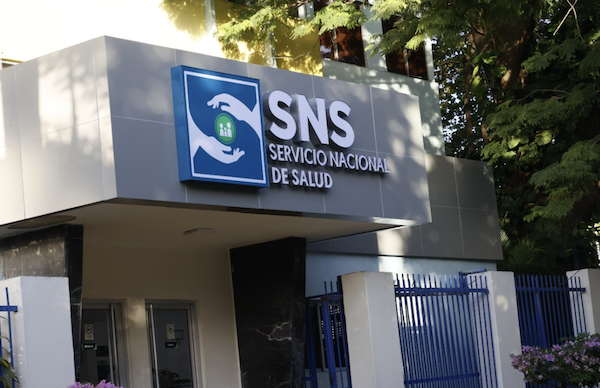
In a major overhaul of the Dominican Republic’s public health infrastructure, the executive director of the National Health Service (SNS), Dr. Julio Landrón, issued a resolution instructing all public hospitals to remove medical equipment tied to private contracts or third-party “comodato” (loan-for-use) agreements. The measure targets equipment operated under external schemes that do not align with institutional guidelines, marking a decisive shift toward centralized state control of hospital assets.
Dr. Landrón emphasized that the move aims to eradicate long-standing practices that have hindered transparent and efficient management within the hospital network. By phasing out these private dependencies, the SNS intends to reclaim administrative oversight and ensure that public resources are not diverted to private interests.
Procurement reforms and equipment ownership
The resolution introduces a new procurement framework requiring hospital directors to implement bidding processes based on actual consumption. This shift toward demand-based sourcing prioritizes the acquisition of services and equipment through reagents and supplies at the lowest possible cost.
Furthermore, the SNS head instructed hospitals to coordinate with the National Health Insurance (Senasa) to purchase their own diagnostic equipment. The goal is to ensure that diagnostic tools are both self-sustaining and under the total control of public institutions. This strategic partnership with Senasa is designed to provide the necessary financing to replace private machinery with state-owned assets.
Dr. Landrón also specified that private companies will be granted a grace period to remove their diagnostic imaging equipment, such as CT scanners and MRI machines, noting that several of these units are currently obsolete.
Fuel savings and administrative discipline
Beyond clinical equipment, the SNS is tightening its fiscal belt on operational expenses. Dr. Landrón reiterated a mandate for the disciplined use of institutional resources, urging staff to use official vehicles strictly for previously scheduled monitoring and supervision tasks.
“As a result of these actions, we have already achieved a significant reduction of RD$1.3 million per month in fuel consumption,” Dr. Landrón stated.
In a press release announcing the new measures, the director underscored his commitment to administrative efficiency and transparency, signaling that the SNS will continue to implement reforms even when they impact “vested private interests” that have been entrenched for years. Dr. Landrón concluded by thanking hospital staff for their cooperation during this transition toward a more autonomous public health system.
Dr. Julio Landron was named to the position in January 2026, after years directing one of the leading public hospitals.
Read more in Spanish:
SNS
14 May 2026